
Home Page

PEOPLE, PLACES, THINGS

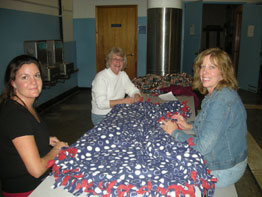
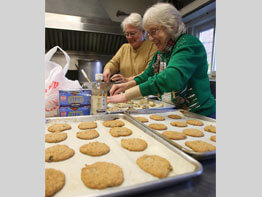
Two evenings of fun, fellowship and blanket-making in the parish center of St. Mark, Catonsville, resulted in sending more than 130 fleece blankets to Soldier’s Angels (www.soldiersangels.org), an organization distributing blankets before Christmas to 180,000 deployed soldiers.

Christ’s birth: Love made visible

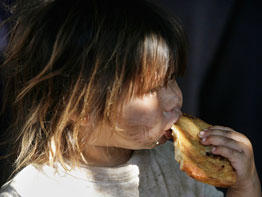
I had a rather rotund friend in college who loved life, loved God and definitely loved food. He would often say as we ate in our cafeteria, “Food is God’s love made edible.” In fact, he even wrote his senior thesis on the relationship between food and theology (Banquet Feast of the Lamb, for example). One might say he was a little in love with food, but I think he was on to something there.

Remembering Baltimore’s black Catholic history

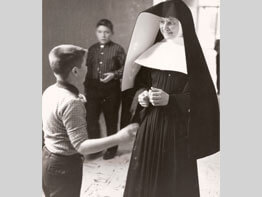
The 1843 death of Sulpician Father James Joubert, co-founder of the Oblate Sisters of Providence, was painfully felt in the black community. Archbishop Samuel Eccleston had no use for religious women of color and suggested that the Oblates return to the world and find employment in the better households of Maryland. The women opted to remain women religious. Archbishop Eccleston offered no religious assistance to the sisters. Again, black Catholics were required to sit in the balcony or the rear of the churches. The sisters walked from Richmond and Park Avenue to the Redemptorist church, St. James on Aisquith and Eager, for services. When St. John’s German Church was renovated and renamed St. Alphonsus, the sisters walked to Park Avenue and Saratoga. St. John Neumann noticed the sisters walking to church and decided to send some Redemptorists to say Mass and give retreats when possible. When Thaddeus Anwander was ordained, Neumann asked him to become the director of the Oblates. Archbishop Eccleston said, “What’s the use?” Father Anwander got down on his knees and begged to assume direction of the sisters. In the end, the archbishop granted the request.

En español »