Black History Month

Black History Month 2026

Black History Month began as a way of remembering important people and events in African American history. The precursor to Black History Month was created in 1926 in the United States, when historian Carter G. Woodson and the Association for the Study of Negro Life and History announced the second week of February to be “Negro History Week.” This week was chosen because it coincided with the birthday of Abraham Lincoln on February 12 and Frederick Douglass on February 12, both of which Black communities had celebrated since the late 19th century.

Black history is not known to a lot of people. It is too often neglected and fails to acknowledge the accomplishments of Black Americans in every area of endeavor throughout our history. Black history is American history and should be celebrated not just the month of February, but every day of the year.

Black Men in History

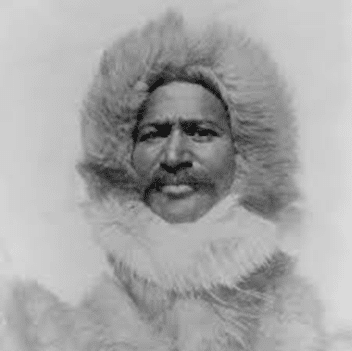
Matthew Henson

Matthew Henson was the first African American to reach and stand on one of earth’s farthest reaches – the North Pole. He traveled with Robert Peary’s expeditions to venture into the desolate lands of the Arctic.

In 1909, Henson, Peary, and four Indigenous natives stood at the top of the world for the first time in recorded history. Together, they faced numerous dangers, harsh landscapes, and sub-zero temperatures.

Matthew Henson
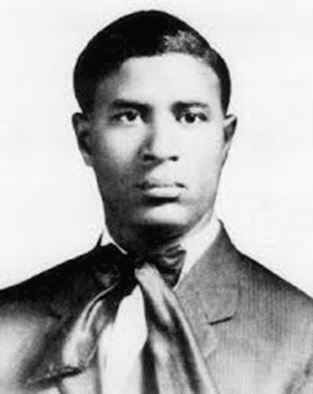
Garrett Morgan

Garrett Morgan

A prolific inventor who called himself the “Black Edison,” Garrett Morgan created early versions of the traffic light and gas mask. He began his career as a sewing-machine mechanic before patenting an improved sewing machine design and a hair-straightening product, among other inventions.

His breathing device, known as a safety hood, later provided the blueprint for World War I gas masks. In 1923, Morgan invented a safer traffic light. The notable Black inventor, who lived much of his life in Ohio, died in July 1963 at age 86.

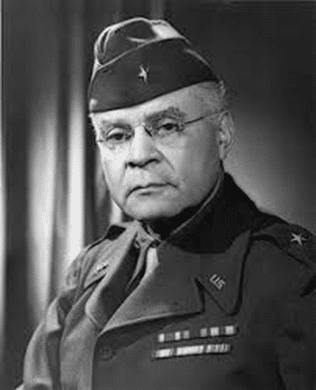
Benjamin O. Davis Sr.

African American Soldiers have served in the American military since the Revolutionary War. Many, like Brig. Gen. Benjamin Davis Sr., pushed against racial boundaries to better the situation of future Black Soldiers. Davis began his Army service in a segregated unit. Still, he strove throughout his career to fight against segregation, becoming the first Black general in the U.S. Army.

Davis spent over 40 years in the Army, serving in combat, diplomatic, and administrative roles around the world. His service inspired many Black Soldiers, including his son, to work through the barriers of segregation they faced in the Army.

Benjamin O. Davis Sr.
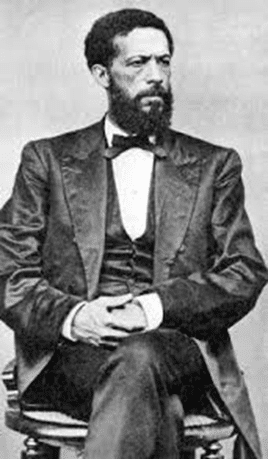
John Mercer Langston

John Mercer Langston

John Mercer Langston was born free of mixed racial heritage in Louisa County, Virginia. He was an attorney, politician, and the first dean of the Howard University Law School [1]. Langston was important to the 1858 Cincinnati Colored Convention because he advocated stronger education standards, a new way for enslaved and free Blacks to use their political capital in nineteenth-century America. These causes coupled with the political changes of pre-Civil War America at the time of the 1858 gathering allowed Langston to be a prominent leader in the convention’s debate.

Black History Month Events

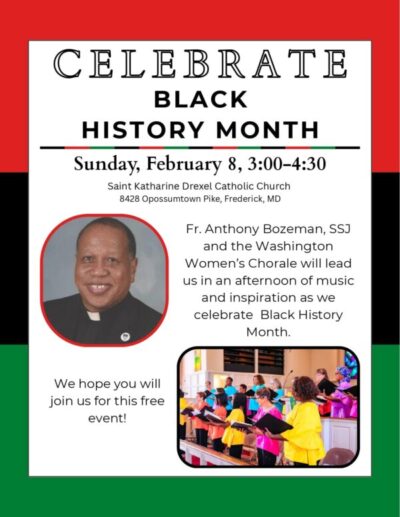
celebrate black history month
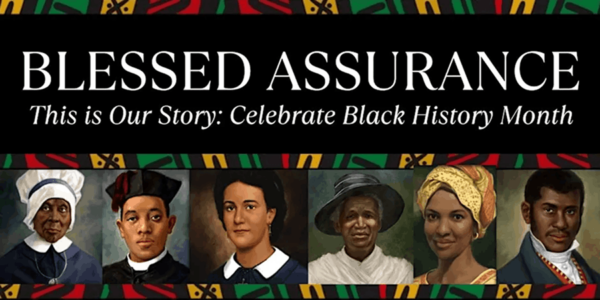
blessed assurance
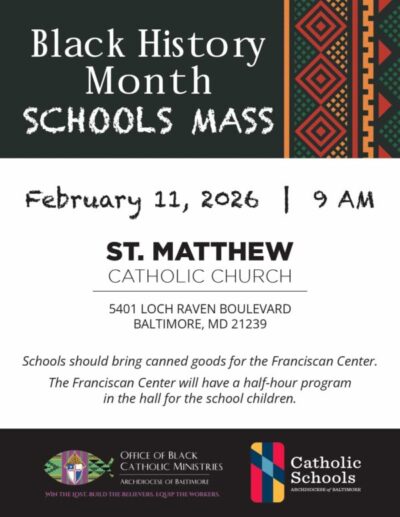
Black History Month Schools Mass
Mardi Gras Fat Tuesday
En español »